Farmscaping
SPRING |
|||
 |
 |
 |
 |
Principles of Farmscaping
(Click Above Link for PDF Document)
Farmscaping & Bugtusslin’:
Integrated Parasite/Predator/Pathogen Management &
Strategies for Encouraging Beneficial Insects in the Field or “if you
plant it, they will come”.
Start With: Pyramid of Soil, plants, insects – all levels need to be healthy first.
Farmscaping – Dr. Robert BUGG - Deliberate use of specific plants and
landscaping techniques to attract and conserve “Beneficials”.
Feed your bugs – Dr. McBug’s Applied Farmscaping Principles:
- Increase plant species diversity
- Increase plant structural complexity
- Increase time available for colonization
- Decrease distances beneficials must travel
- Take advantage of insect behavior
I. Increase plant (and thus insect) species diversity - Farmscaping is
part of a Multiple Redundant Systems (MRS) approach – MRS is a form of
disaster preparedness – triple redundancy is desirable for plants and
insects. So you want “guilds” of food plants and natural
enemies to protect your plants to achieve BRACKETING (having a natural
enemy for every life stage of the pest(s)). This is why we
list more than 10 beneficial food plants per season – and, more than
one natural enemy attacking each life stage is better, too. Less can
lead to breakdowns during times of stress or drought.
[Table 1. Example listing for Imported Cabbageworm and
Japanese beetle of more than one natural enemy/life stage, thus
achieving Guilds of Natural Enemies for each life stage. Japanese
beetle needs more natural enemies for each life stage.] Next, you
ensure you have the plants for the beneficials @ each stage.
II. Increase plant structural complexity. By having plants that have
complex leaves and intricate growing patterns, you can create more
surface area, and thus more niches for your beneficials in which to
hide and live. “Stack and Pack’ your farmscaping plants.
However, specific plants can attract specific beneficials – example:
fennel is great for attracting parasitic wasps, syrphid flies, and
ladybugs. So one plant can bring in a guild of beneficials.
Overwintering sites for beneficials - It turns out that many
beneficials make cocoons and hibernate in or very near the plants where
they find their hosts. Recent research has shown that yarrow and
comfrey are also excellent overwintering plants for parasitic wasps.
III. Increase time available for colonization and reproduction by
beneficials – Have something blooming all the time - by starting with
early spring blooming plants like crocus, daffodils, mustards,
radishes, etc., and progressing through the season until late fall and
then overwintering plants, you can get more generations of beneficial
insects than normal, and get high population levels of beneficial
insects earlier than ecosystems that lack early- and
late-season farmscaping plants. Flowers are prime food & mating
sites for wasps, flies, and other beneficials. Important to have a well
fed, mated female beneficial! Green House – use to Jump-start garden
areas.
IV. Decrease distance beneficials have to travel to protect your crop.
“Lots of clumps of food plants spread out over an area are much better
than one big clump.” Consider Dispersion indices for insects when
foraging – “Insect Specs”:
| Low Dispersion - (Stay in field) | Medium Dispersion (forage 1/4 mile) | High Dispersion (forage > 1/4 mile) |
| Ground Beetles (Carabids) | Most Parasitic wasps | Syrphids – Hover Flies |
| Ladybeetles (when happy) | Predatory Wasps – Paper | Dragonflies, Tachinid Flies |
| Smaller Parasitic Wasps | Predatory Bugs | Larger Parasitic Wasps |
V. Take advantage of insect behavior. Entrainment –
(entomologists– Joe Lewis really opened up this field) have discovered
that insects (especially parasitic wasps and flies) can perform
associative learning, so if you get insects (especially young ones)
happy in their environment, they will “tune in” to a particular pest. A
good way to do this for a predator or parasite is to release it on or
nearby the intended prey.
Anticipate Pest Problems – Think Ahead - Insects are Messengers – Pest insects should be recognized as messengers (what happens in Rome to the bearers of bad news?). Figure out the message behind the problem. Encourage the right beneficial insects to be there when needed them to attack the pests.
1) What % of the area should be planted in farmscaping plants? - “Lots of clumps of food plants spread out over an area is much better than one big clump”; somewhere between 1% and 5%, usually, and these can be roadways, ditches, river banks, pond banks, etc. They don’t have to take up crop space unless the fields are big.
2) Nectar – liquid sugar food + vitamins for beneficials. Nectar is critical for optimum performance of many beneficials. Many beneficials will lay over 3-fold more eggs if properly fed. Example: Parasitic wasps egg laying capacity – poorly fed – 30 eggs; if she is well fed, over 300 high quality eggs. Some of the best plants you can have for this purpose are those in the wild carrot family (also known as Umbellifera), such as dill, fennel, tansy, queen Anne’s lace, caraway, coriander, parsnip, etc.
3) Extra-Floral Nectaries (EFN) – nectar glands that are not associated with flowers. Peonies, Sweet potatoes, bachelor buttons, all have extrafloral nectaries. Beneficials use these EFNs as important food sources.
4) Pollen - Is an alternative form of protein. Once again, many plants in the wild carrot family can provide pollen. Another good pollen producer is the corn plant. Syrphid flies need pollen to lay eggs.
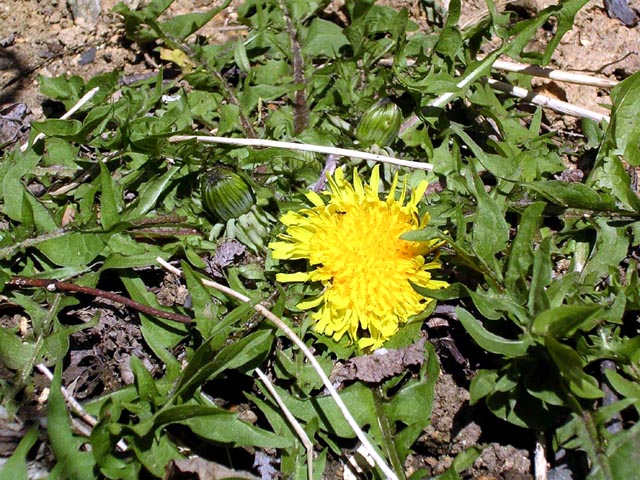
5) Extremes-Frost/Flooding/Drought/Stress – These systems can also fail! In drought years insects from all over will come to your area and can overwhelm a system. A late frost can kill some of your best farmscaping plants, and you will respect dandelions again. Be ready with backups additional insects, ladybugs/lacewings, Bt, soaps, diatomaceous earth. Finally,
6) Your Design Decisions Mantra: I. Encourage Biodiversity of plants/insects; II. Encourage Structural Complexity. III. Increase Time Available for beneficials to colonize your bioislands; IV. Decrease distances beneficials need to travel. V. Take Advantage of Insect Behavior! - Ask yourself – will this design increase complexity and diversity? If so, you are probably making a good decision. Remember that insects are part of the web of life in your garden or farm. The beneficial insect complex is not only composed of parasitic wasps, and flies, predatory beetles, lacewing larvae, ladybugs and so on, but ALSO the pollinators, antagonists/competitors that occupy and compete for space and food with potential pests, and finally the saprophytes and decomposing insects that help complete the food cycle back to the soil so the cycle can start again. And remember, “If you plant it, they will come....” For further information on Farmscaping, go to my web site (www.drmcbug.com) and click on the farmscaping and beneficials/pests navigation bar. Also see ATTRA’s Farmscaping publication at their website (www.attra.ncat.org). The gist of this message is that, just like us, beneficial insects need sources of food and shelter in order to stick around. You can weave “web of life” in your garden/farm by planting specific plants that attract specific beneficials. Also, by thinking ahead and anticipating the types of pest problems you might have, you can encourage the right beneficial insects to be there when you need them to attack the pests. Our motto is: “If you plant it, they will come. Or, I will buy them (beneficials) once and have them here forever after...”
FARMSCAPING - Top Plants for Beneficials (see photos/text on website)
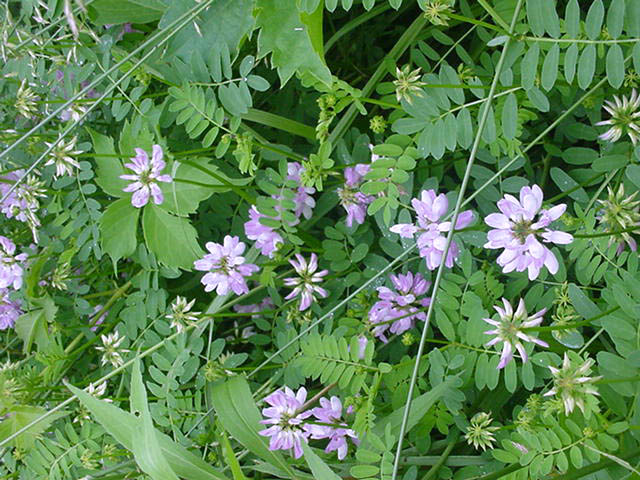
Spring: brassicas, ground ivy, wild mustards, Tulip poplar, vetches,
pussy willow, yarrow, umbels - parsley/parsnip/coriander/fennel,
buckwheat, clovers, mints, Norway Maple, grains, peonies, borage.
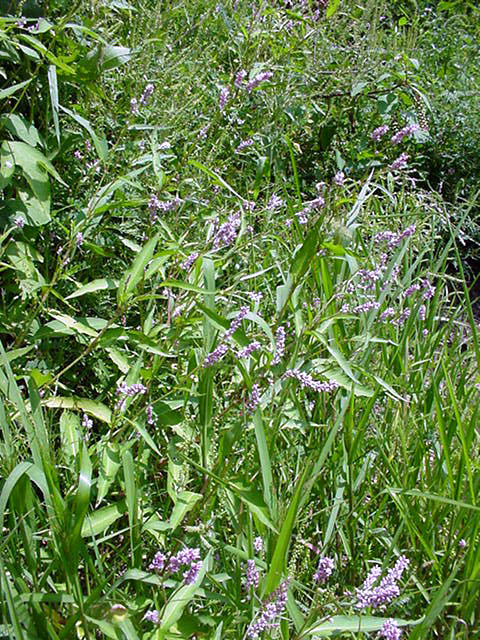
Summer: mints, wild carrots- cow parsnip, tansy, bronze fennel,
smartweed-Vietnamese Cilantro, Jerusalem artichoke, kenafe, sweet
potato, borage, smartweed, bachelor buttons.
Fall: Patrina, Autumn joy sedum, vetches, chrysanthemum (Pacifica),
tansy, bronze fennel, Queen Anne’s Lace/other wild carrot family
plants, garlic chives, Goldenrod,
Winter: yarrow, comfrey and some of the last broccoli for overwintering
on/underneath.
Top Beneficials (see photos/text on website & handout
“DrMcBug’s Insect Specs”)
- Ladybugs
- Ground Beetles/Lightning bugs.
- Parasitic Wasps.
- Flies-Parasitic/Predatory
- Predatory Bugs
- Lacewings
- Predatory Beetles.
- Spiders
- Mantids.
- Dragonflies/Damselflies
Common Pests that we can control (see photos/text on website & handout “DrMcBug’s Insect Specs”):
- Squash Vine Borer.
- Flea Beetles.
- Cabbage Pests.
- Whiteflies.
- Aphids.
- Plant-feeding bugs.
- Colorado Potato Beetles.
- Spider Mites.
- Cucumber beetles.
- Japanese beetles.
- Mexican Bean Beetles and Squash Beetles.\
- Hemlock Woolly Adelgid.
Good luck and keep on farmin’!
“If you plant it, they will come....”